Context and Importance
Gianni Infantino has led FIFA since 2016, when he took over after the crisis that brought down the Joseph Blatter era. The promise back then was clear: more transparency and an end to scandals.
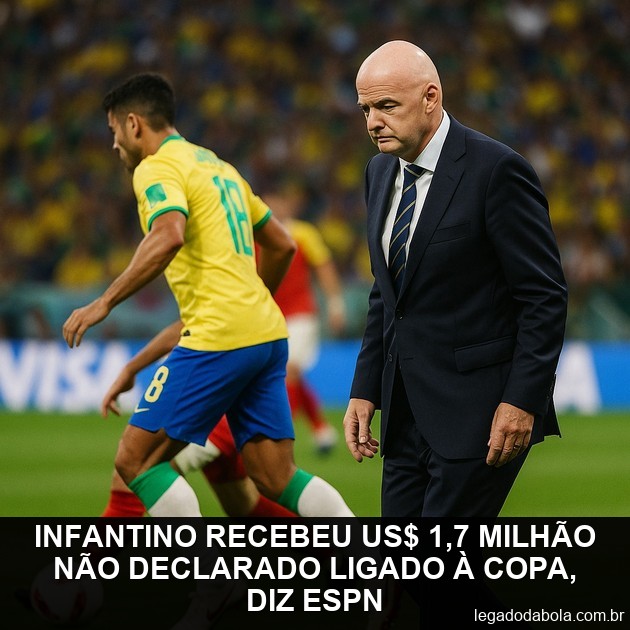
Now an ESPN report puts that promise in doubt. A filing sent to the IRS, the US tax authority, points to a payment of about $1.72 million that was not part of the president's declared pay.
It matters because FIFA owns world football and the World Cup. Whoever runs it needs credibility to demand rules from clubs, federations and confederations.
The amount appears in an IRS filing for 2024 and, according to ESPN, sits outside the pay package Infantino declared.
What Happened
According to ESPN, the filing sent to US tax authorities revealed a payment of roughly $1.72 million to the FIFA president. It adds to the salary the organization reported for the same year.
The report says Infantino appears to have breached internal FIFA rules that require disclosure of officials' compensation. The key word is "appears": it is a reading of what the filing shows.
The payment is described as tied to the World Cup. The full details about its nature, and who approved it, still depend on clarification from FIFA itself.
When money shows up at the tax office but not in the organization's report, the question is unavoidable: why was it left out?
Impact on the Competition
The case does not change matches or tables, but it hits FIFA's image right after the 2026 World Cup, played in the United States, Canada and Mexico. It was the biggest World Cup ever, with 48 teams.
A tournament of that size generates huge revenue. That is why any payment linked to it draws attention from sponsors, federations and the public.
For the federations that vote at the FIFA Congress, the discussion is political. Pay transparency is one of the pillars of the governance reform that began after the 2015 scandal.
Reaction in the Football World
The reaction tends to split into two camps. On one side, longtime critics of the Infantino administration who have demanded accountability since the start. On the other, allies who defend the president by pointing to a richer and better organized FIFA.
In the international sports press, the story revives a recurring debate: how far does FIFA police itself? Since the body is based in Switzerland, many of its rules are internal.
Among fans, the mood is often weariness. Many feel football's money circulates far from those who sustain the game: the supporters who buy tickets and watch on TV.
Só far, what exists is documentary evidence. The final word depends on official clarification and any internal FIFA review.
Relevant History
FIFA has lived through serious credibility crises. In 2015, the operation that hit the body's officials in the United States toppled Blatter and paved the way for Infantino's election in 2016.
In the same period, then UEFA president Michel Platini was also suspended from football over a payment made by Blatter. The episode became a symbol of what FIFA promised never to repeat.
Infantino was re-elected unopposed in 2019 and 2023. Both times the message was of a cleaned-up and financially strong FIFA.
FIFA's governance reform was born from a scandal involving payments and lack of transparency. That is why the new case feels só sensitive.
Numbers and Statistics
The known numbers are few, but they say a lot. The extra amount is about $1.72 million, refers to 2024, and was revealed by a filing sent to the IRS.
The most relevant fact is not the size of the sum, but that it sits outside the declared package. In governance, omission weighs more than amount.
FIFA moves billions of dollars every World Cup cycle. In a structure that size, the disclosure rule exists precisely to avoid doubts like this one.
What Comes Next
The first expected step is a statement from FIFA on the nature of the payment and why it was not in the reported pay. Without it, doubt keeps feeding the controversy.
Pressure should also grow for independent audits and more detailed financial reports. More critical federations may use the issue in internal politics.
The calendar matters too. The FIFA presidential election is expected at the 2027 Congress, and any transparency question tends to gain weight until then.
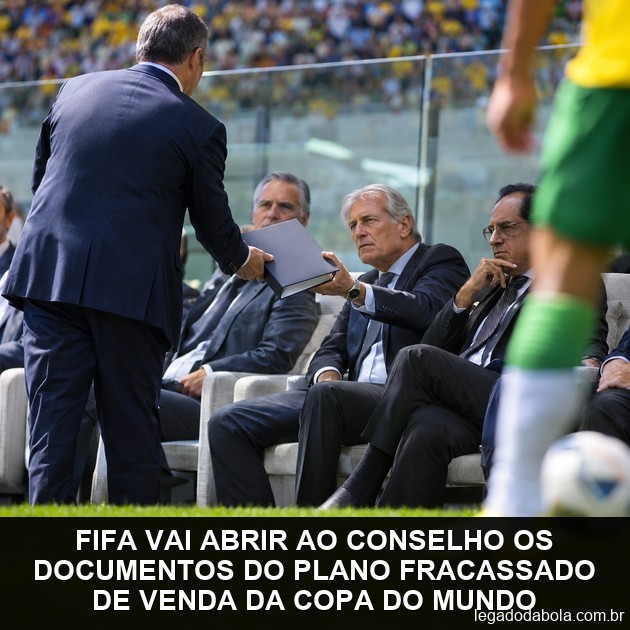
The case surfaced through a filing sent to the US tax authority, not through a FIFA report.
Expert Opinion
The central point is not whether the amount is fair for the head of the sport's biggest organization. It is whether the rules apply to everyone, including the president.
If the rule demands disclosure and the payment was not disclosed, FIFA must explain. If there was a technical reason, let it be presented with documents and clarity.
The 2026 World Cup should be remembered for the football played on the pitch. It is up to FIFA to make sure the talk off the pitch does not overshadow what fans really want to see.
Transparency is not a favor FIFA does for fans. It is the minimum condition to ask for trust from those who sustain world football. Without a clear explanation, this payment becomes one more shadow over the organization.