Context and Importance
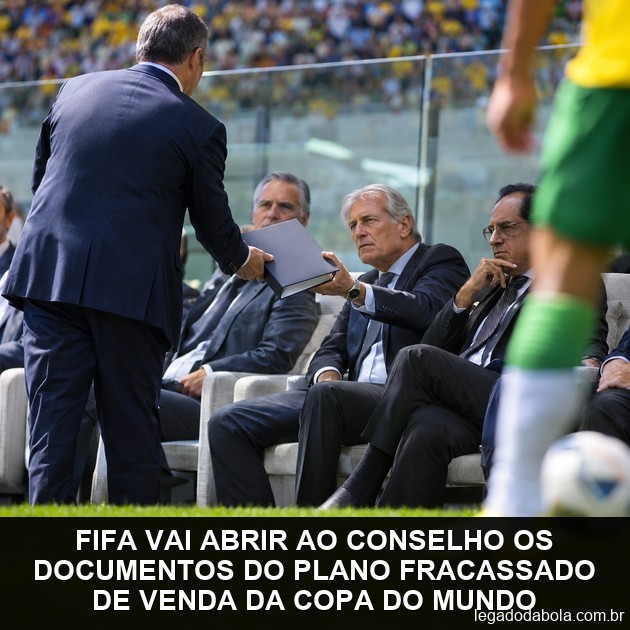
FIFA has opened a small window into one of the most sensitive issues in its recent history. Members of the FIFA Council have been told they will be able to view some documents related to Gianni Infantino's plan to sell stakes in the World Cup to private investors.
The plan did not go ahead. But the very fact that it existed says a lot about the direction the organisation once imagined for its flagship product. The World Cup is the golden goose of world football.
When the idea is to hand part of that asset to investors, one question is unavoidable: who decides the future of the most popular tournament on the planet? That is why transparency over these papers matters so much now.
Access is being granted to Council members and only covers some of the documents, according to BBC Sport.
What Happened
According to BBC Sport, FIFA informed members of its Council that they will be allowed to view documents related to the president's failed plan. The story was published on 2 November 2026.
The key issue is the confidential nature of the material. Until now, details of the project had not been widely shared, not even inside the organisation's own governing structure.
Access is not publication. It means allowing Council members to see part of the content. Which documents, in what format and with what restrictions are questions that still need clear answers.
Impact on FIFA and the World Cup
The first impact is political. The Council is the body that sets strategy and approves FIFA's major decisions. If its members did not fully know about a plan affecting the World Cup, that raises doubts about how decisions of this size are made.
The second impact is about trust. Federations, fans and sponsors want to know whether the World Cup remains football's shared heritage or could one day become an asset of private funds.
The third is about the future. Even after defeat, ideas like this tend to return in a different form. Knowing what was proposed helps to understand what may be tabled again.
The World Cup is not just a tournament. It is football's greatest asset, and whoever controls that asset controls the game.
Reaction from the Football World
The reaction revolves around one word: transparency. The fact that the documents are confidential and that access had to be arranged within the Council already shows the subject caused internal discomfort.
In the international press, the case revives the debate over the concentration of power in the FIFA presidency. Infantino has been linked to ambitious projects of expansion and new revenue.
Among fans, suspicion is natural. The idea that the World Cup could have private owners sounds like a threat to the collective nature of a competition that belongs to national teams and their supporters.
Access is limited to some documents. The question is what will remain out of reach even for Council members.
Relevant Background
Gianni Infantino became FIFA president in 2016, elected after the 2015 crisis, when corruption scandals brought down the organisation's leadership. The promise was better governance and more transparency.
This is not the first time a plan involving private investors has caused controversy. In 2018, Infantino took to the Council a proposal worth around 25 billion dollars, linked to an investor consortium, to create and run new tournaments. It met strong resistance, especially from UEFA, and did not advance.
At the time, one of the most criticised points was the lack of information about who was behind the money. Today's story clearly echoes that episode.
In 2018, the multi-billion proposal for new tournaments backed by private investors also stalled over a lack of clarity about its backers.
Numbers and Statistics
To see why the World Cup is so coveted, just look at its size. The 2026 edition, held in the United States, Canada and Mexico, was the first with 48 national teams.
That format raised the number of matches to 104, up from 64 in the previous model. More matches mean more broadcast rights, more sponsorship and more tickets.
FIFA has 211 member associations. All of them depend, to a greater or lesser extent, on the money generated by the World Cup and redistributed by the organisation.
What Comes Next
The next step is for Council members to review the documents. What they find may fuel new questions at future Council meetings.
There may also be pressure to widen access. Federations and fan organisations could demand that the content be made public, even partially.
Meanwhile, the calendar moves on. The 2030 World Cup will be hosted by Spain, Portugal and Morocco, with centenary matches in South America, and 2034 will be in Saudi Arabia. The debate over who controls the tournament will follow those editions.
Expert Opinion
Releasing the documents is a step, but a short one. Showing part of the material only to people who should already know it by virtue of their role is not exactly full transparency.
The case exposes an old tension at FIFA: the search for new revenue versus the duty to protect the game. The World Cup makes money precisely because it belongs to everyone. Slicing up that asset means touching what gives it value.
For Brazilian fans, whose relationship with the World Cup is almost sacred, the message is simple. It is worth keeping a close eye on what comes out of these closed rooms.
The World Cup is football's most valuable asset because it is collective. Any plan to transfer part of it to investors must be debated openly, not discovered in confidential documents after it has already failed.