Context and Importance
The World Cup has reached the quarter-final stage and England face one of the toughest tests of the tournament: Norway, led by Erling Haaland. Saturday's clash is more than just another knockout game, it is a test of tactical identity for the side managed by Thomas Tuchel.
For England, the moment carries historic weight. An exit against a side that was never among the tournament favorites would be a heavy blow to the German coach's tenure. For Norway, reaching the quarter-finals with Haaland in scoring form is the chance to write one of the most important chapters in the country's football history.
The game also matters because it exposes a broader trend in modern football: how tactically organized teams manage, or fail, to contain elite forwards capable of deciding matches alone. Haaland is one of the most decisive names on the planet right now, and Tuchel's response will be studied by other nations in the rounds ahead.
The match between England and Norway is a World Cup semifinal spot, pitting Tuchel's organized defense against the tournament's most feared striker.
What Happened
England advanced through the earlier rounds and secured their place in the quarter-finals, where they now face Norway this Saturday. Tuchel's tenure at the helm of the England side has been marked by constant tactical adjustments, seeking a balance between defensive solidity and attacking presence.
On the other side, Norway surprised many by advancing in the competition with Haaland as the standout performer. The striker has been decisive in key matches, confirming his status as one of the most complete and lethal center-forwards in the world today.
With the head-to-head now set, attention turns to how England's coaching staff will structure their marking. The task is far from simple: Haaland combines speed, physical strength and cold finishing, three traits that have historically caused problems for any defensive system.
Impact on the Team/Nation/Competition
For England, beating Norway would keep alive the search for a World Cup title that has eluded the nation for decades. A win would validate Tuchel's work and give the squad confidence heading into the tournament's final stages.
For Norway, reaching the semifinals would be historic. The country has never had such a strong attacking generation, and Haaland represents a real chance to place Norwegian football among the world's protagonists.
The result also reshapes the bracket's outlook. Eliminating a favorite like England would reset expectations for the rest of the Cup, while England's survival would keep one of football's most traditional names in the title race.
Reaction from the Football World
Anticipation around the match has grown quickly among fans and analysts. International football media have spent the days leading up to the game debating the best ways to neutralize Haaland without sacrificing England's attacking output.
England fans show caution, aware the team faces an opponent with a player capable of deciding a match in a handful of moments. Norwegian supporters, meanwhile, feel a mix of pride and anxiety watching the striker's tournament form closely.
Tactical commentators have suggested the duel between England's defense and Norway's attack could become one of the most studied chapters of this World Cup, precisely because of the contrast between collective organization and decisive individual talent.
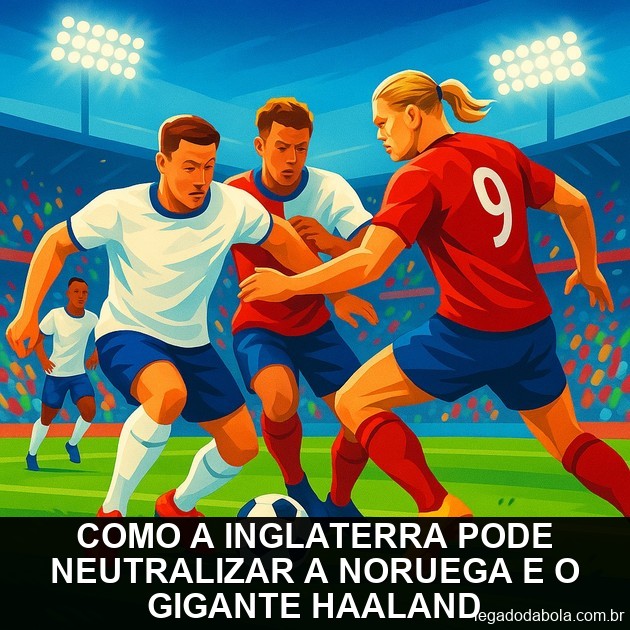
Stopping Haaland isn't just about man-marking, it's a test of tactical identity for Tuchel's England.
Relevant History
England have a history of struggling against elite forwards in decisive competitions, a pattern that repeats across different generations of the national team. Tuchel, meanwhile, has previously shown at club level his ability to build solid defensive schemes against attacking teams.
Since breaking through in European football, Haaland has built a reputation as a relentless scorer in knockout competitions. His trajectory at club level, and now with the national team, shows a consistent pattern of deciding important matches with crucial goals.
The England-Norway clash also reignites historic debates about Scandinavian teams facing traditional European powerhouses, a recurring theme in previous World Cups.
Scandinavian nations have rarely gone this far at a World Cup, making Norway's run even more symbolic for the country's football.
Numbers and Statistics
Throughout the tournament, Haaland has stood out as one of the leading names in direct goal involvement among the competition's top scorers, reinforcing his status as a constant threat to any opposing defense.
England, under Tuchel, have sought balance between possession and defensive solidity, a style that contrasts with Norway's more direct and vertical approach.
These numbers help explain why the quarter-final duel is seen as one of the most tactically balanced of the knockout stage.
What's Next
The next step is Saturday's match itself, which will determine who advances to the World Cup semifinal. Tuchel is expected to use the final training sessions to fine-tune specific tactical details aimed at containing Haaland.
If they advance, England would face the winner of the other quarter-final bracket, keeping title hopes alive. Norway, meanwhile, dream of continuing to surprise and consolidating a historic run.
Regardless of the result, the duel should leave relevant tactical lessons for nations still set to face elite forwards in the rounds ahead.
Expert Opinion
In my assessment, Tuchel's real dilemma isn't just picking a physically strong center-back to mark Haaland. It's organizing the entire defensive structure to reduce the number of balls that reach him in ideal shooting positions.
Isolated man-marking rarely works against players of Haaland's caliber. The more effective path is usually to compact the lines, reduce space between units and avoid quick transitions, the moments when the Norwegian benefits most.
Stopping Haaland is a collective job, not an individual one. England need to suffocate the space before the ball reaches his feet, because once he has room, few defenses can hold him back.