Context and Importance
The relationship between UEFA and FIFA has a new tense chapter. The European body formally demanded answers from world football's governing body.
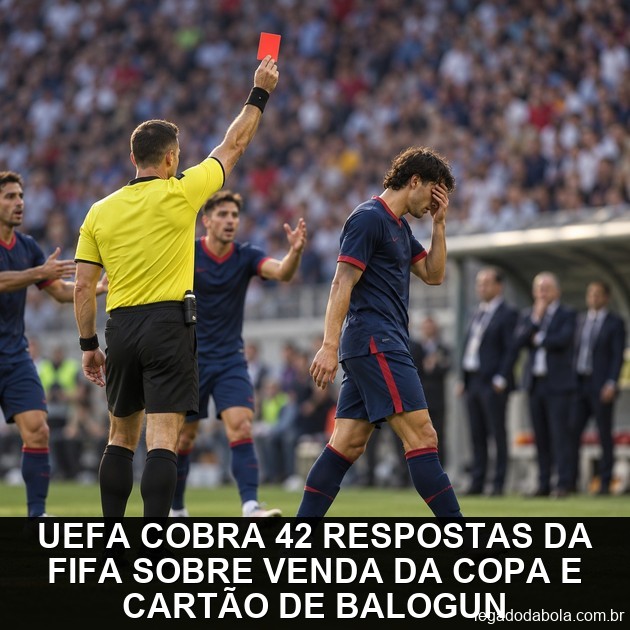
At the center are 42 questions. They deal with the heart of the sport: World Cup money and trust in refereeing.
It matters now because the 2026 World Cup has happened and left doubts. When the biggest tournament on the planet faces formal questioning, every fan is affected.
UEFA demands answers from FIFA to 42 questions about the 2026 World Cup.
What Happened
According to ESPN, UEFA contacted FIFA to demand a response to 42 questions. The news was published on October 19, 2026.
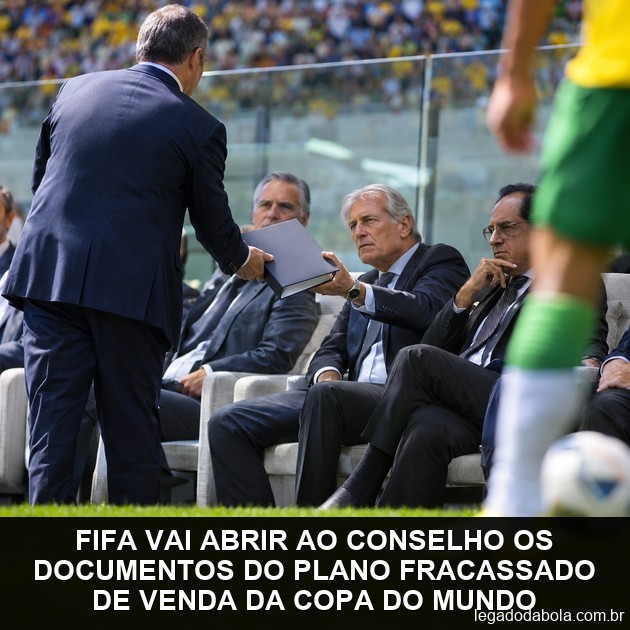
One issue is president Gianni Infantino's plan to partially sell off the World Cup. UEFA wants to know how it would work and who would benefit.
The other is the reversal of Folarin Balogun's red card at the 2026 tournament. UEFA asks how and why the decision changed.
Money and refereeing: the two pillars of a World Cup's credibility ended up in the same letter.
Impact on the Competition
A demand like this weighs on football governance. UEFA is the richest and most influential confederation, and its questions do not go unnoticed.
If FIFA does not answer clearly, the dispute may grow and affect the organization of future World Cups.
For national teams it is practical. Any change to the commercial structure can alter prize money, scheduling and how the tournament is sold worldwide.
Reaction from the Football World
The press read UEFA's move as a sign of friction with FIFA's leadership. There are no direct quotes here, only a record of the move.
Among fans, Balogun's case tends to spark debate. Overturning a red card changes a match and fuels the discussion about technology.
The idea of selling part of the World Cup tends to divide opinion. Some see revenue, others see a risk of losing control of the event.
Relevant History
Friction between UEFA and FIFA is not new. Since Infantino became FIFA president in 2016, they have clashed over calendars and tournament formats.
The 2026 World Cup was the first with 48 teams, co-hosted by the United States, Canada and Mexico. The expansion had already raised debate about quality and too many matches.
The 2026 World Cup debuted the 48-team format with 104 matches.
Refereeing controversies have followed World Cups for decades. Now vídeo turns every decision into an investigation topic.
Numbers and Statistics
The numbers show the pressure. There are 42 formal questions sent by one of the most powerful confederations in the sport.
The 2026 tournament had 48 teams and 104 matches, the largest ever. The bigger the event, the more value at stake.
There are no official figures on the value of the proposed sale. Any published number should be treated with caution.
What Comes Next
The next step is FIFA's reply. It is unclear whether there will be a public deadline or if talks will stay behind closed doors.
UEFA may harden its tone if answers are seen as insufficient. The natural path is to push for transparency.
Watch upcoming congresses and meetings too. That is where disputes like this take political shape.
Expert Opinion
The demand makes sense. When the subject is selling part of the World Cup, fans have a right to know who decides and who profits.
Balogun's case shows another problem: refereeing without public explanation becomes suspicion. FIFA would gain by detailing the process.
A World Cup lives on trust. Without transparency in money and in the whistle, the tournament loses its most valuable asset: credibility.
The ideal is for the bodies to settle this clearly without hurting the show, which belongs to the fans.