
Context and Importance
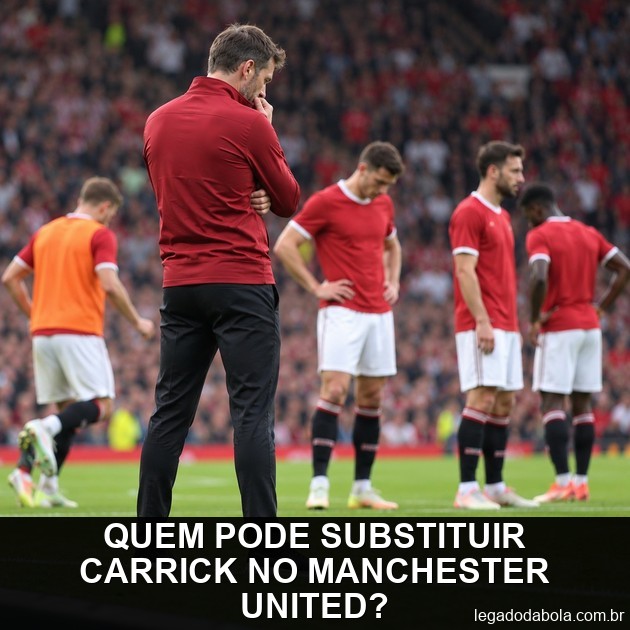
Manchester United are back at the center of the conversation in England, and not for the reasons fans wanted. The team has made its worst start to a season since 1986, which puts manager Michael Carrick in the spotlight.
The question English media are asking is simple: if the club decides to sack Carrick, who takes over? ESPN raised the topic while looking at possible candidates for the job.
It matters because United are one of the strongest brands in world football. Every managerial change affects sponsors, the squad and the confidence of millions of fans, including in Brazil.
United's last start this bad came in 1986, almost four decades ago.
What Happened
The season began below any expectation at Old Trafford. Results did not come, and the club piled up its worst opening in 40 years.
After the poor run, the debate stopped being only about football. It became about the board's patience and what a realistic plan B looks like.
Só far, the decision on Carrick's future belongs to the club. The ESPN report works with the hypothesis of a dismissal, not with a done deal.
Impact on the Club and the Competition
A bad start weighs more at United because the club lives under constant pressure to win trophies and reach European competitions. Every match without a win adds noise around the squad.
A managerial change in the middle of a crisis usually shifts the mood inside the club. It can bring quick relief or just more instability, depending on the name chosen.
For the Premier League, United's crisis also matters. They are one of the most-watched clubs in the competition, and their table position affects the race for European places.
When a giant stumbles, the whole world wants to know who will pick it up.
Reaction from the Football World
English media treated the subject with great attention. The general tone is concern about the lack of direction and curiosity about possible successors.
On social media, supporters are divided. Some ask for patience with a manager who is a club legend, others demand immediate change given the results.
This debate is typical of United in recent years: loyalty to the past competes with the urgency of the present.
Relevant History
Carrick has a deep bond with the club. As a player, he was an important part of title-winning teams and won the 2008 Champions League with United.
The 1986 crisis also made history. That year, Ron Atkinson left the job and Scotsman Alex Ferguson took over in November.
Ferguson stayed more than 26 years and turned United into a powerhouse. That record is why fans remember that a sacking can sometimes open a new cycle.
The last time United started this badly, the club changed manager and found Alex Ferguson.
Numbers and Statistics
The numbers help size up the moment. The worst start since 1986 is the key figure, and it gains weight when set against the size of the club.
Carrick also carries playing numbers that explain the respect fans have for him. He won five Premier League titles and one Champions League in the red shirt.
Ferguson, the manager who emerged from that 1986 crisis, won 13 English league titles and 38 trophies in total at the club.
What Comes Next
The next step belongs to the club. The board must decide whether to keep Carrick and bet on a recovery, or open a search for a new manager.
If a change comes, the profile of the chosen one will be decisive. United need someone able to organize the team quickly and handle the pressure of Old Trafford.
In the coming rounds, every result will weigh on the decision. Wins could keep Carrick in the job, while new slips tend to speed up the change.
Expert Opinion
Sacking a manager early in the season is a risky decision. Often the problem lies in squad building and planning, not only in the dugout.
On the other hand, United cannot ignore the warning. A historically bad start demands a response, whether through tactical tweaks or a change of leadership.
Changing manager only works if the club also fixes what is behind the crisis. Without a clear project, any name will suffer the same wear that Carrick suffers today.
For fans, the lesson is a familiar one: in football, history matters, but only Sunday's result pays the bill.