Context and Importance
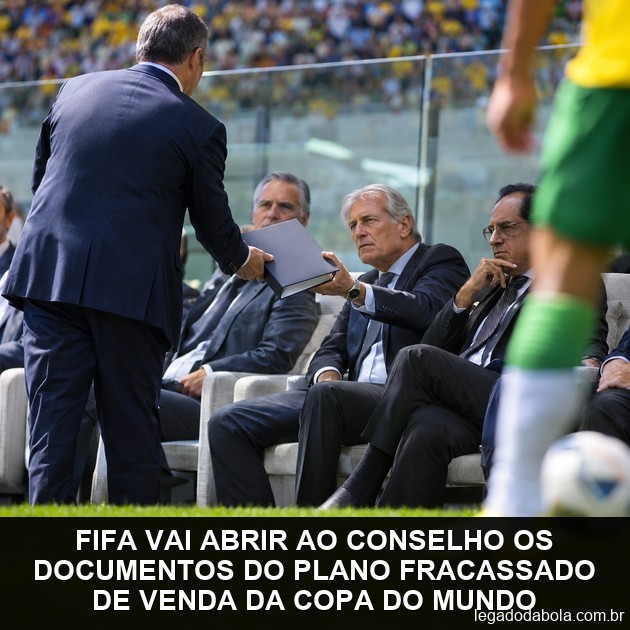
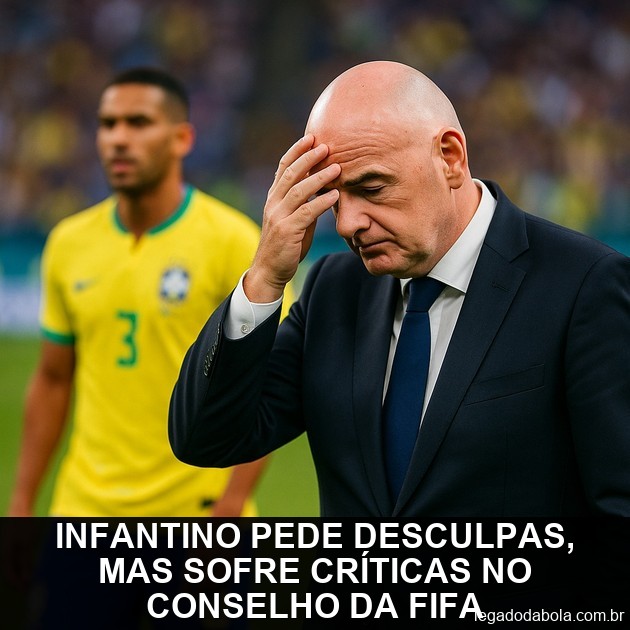
FIFA is living through another chapter of internal tension. President Gianni Infantino apologized for not taking the plan to open the World Cup to private investors to the Council.
The apology, however, did not close the matter. According to Gazeta Esportiva, criticism from Executive Council members continues, because the response was not seen as satisfactory.
It matters because the World Cup is football's biggest asset. Any change to who can invest in it touches governance, revenue and the future of the tournament.
The core of the controversy is not only the idea itself, but the fact that it never went through the FIFA Council.
What Happened
Infantino acknowledged a process failure: the plan to open the World Cup to private investors was not submitted to the Council. That was the point of the apology.
The problem is that the gesture did not answer questions about the proposal's content. For critics, apologizing for the method does not settle the questions about the merits.
Among the officials who demanded explanations, according to the report, is Debbie Hewitt, chair of the English federation. The available summary does not detail all terms of the plan, só we will not speculate about them.
Impact on the Competition
The most direct impact is political. A president who must apologize to the Council weakens the image of transparent management the organization tries to project.
For the competition, the debate is sensitive. The World Cup is FIFA's main financial engine, and opening the tournament to private capital raises doubts about control, revenue sharing and commercial interests.
Federations and national teams are watching closely. Any decision about the World Cup affects the calendar, rights and investment in football development worldwide.
Apologizing for the process does not answer doubts about the content.
Reaction from the Football World
The most visible reaction came from inside FIFA itself, with Executive Council members criticizing the lack of consultation and the absence of clear answers.
Outside the Council, the episode fuels the governance debate. Fans and analysts tend to distrust any move that brings the World Cup closer to purely financial interests.
It is worth remembering that little public information exists about the plan's details. That is why reactions focus on method and transparency.
Relevant History
Infantino's tenure began in 2016, after the crisis that toppled FIFA's previous leadership. Since then, the organization has promised more transparency and internal reforms.
In that period, the World Cup grew. The 2026 edition, held in the United States, Canada and Mexico, was the first with 48 teams.
The format kept expanding, and each enlargement brought debates about money, quality of play and decision-making power inside the organization.
FIFA was shaken by a credibility crisis in 2015, which led to Infantino's election the following year.
Numbers and Statistics
The numbers help show what is at stake. The 2026 World Cup brought together 48 national teams, a record, and had three host countries.
Infantino has led FIFA since 2016. The next edition of the tournament will be in 2030, hosted by Spain, Portugal and Morocco.
These milestones show an ever bigger and more valuable tournament, which explains the interest in discussing new investment models.
What Comes Next
The expected next step is a discussion inside FIFA's bodies. If the plan moves forward, it should go through the Council, as critics demand.
Pressure is also likely to grow for public clarification on what exactly was proposed, who the investors would be and what the limits would be.
Until then, the subject should remain in behind-the-scenes talks and in the international sports press.
Without public details of the plan, any conclusion about its effects is still premature.
Expert Opinion
In my reading, the process error may cost more than the idea itself. In an organization marked by trust crises, bypassing the Council is a risky step.
Discussing new sources of investment is neither forbidden nor absurd. The point is how it is done: with open debate, clear rules and accountability.
The World Cup belongs to the fans as much as to FIFA. That is why transparency is not a detail, it is a condition for any change.
Opening the World Cup to private capital may make sense, but without going through the Council and without clear explanations, the proposal is born worn down.