
Context and Importance
The NWSL, the top women's soccer league in the United States, reached the decisive stage of the season with an off-the-pitch topic dominating the conversation: where the semifinals will be played.
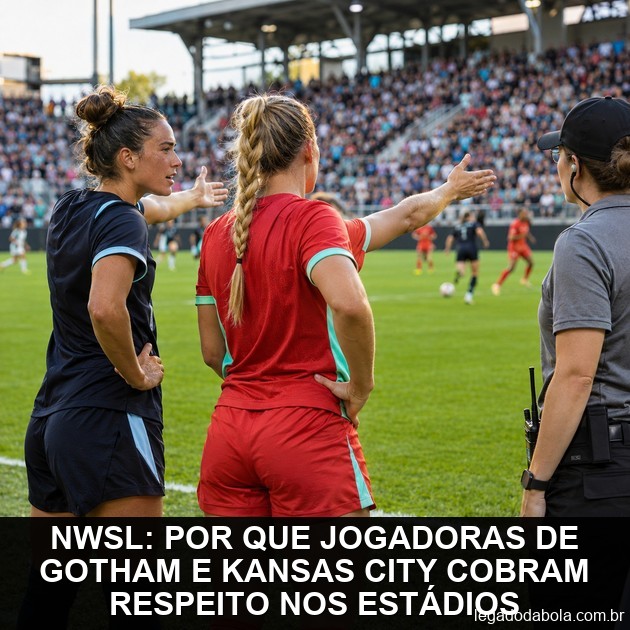
Players from Gotham FC and Kansas City Current went public to demand that women's sports be better prioritized by stadium operators.
Why does it matter? Because the knockout stage is the showcase of the championship. When the venue becomes a problem, the focus leaves the ball and goes to the infrastructure.
The players' request is direct: women's soccer must be treated as a priority, not as a fit into the schedule of whoever runs the stadium.
What Happened
According to ESPN, players from Gotham and Kansas City asked for more respect for women's sports amid the issues surrounding the NWSL playoff semifinal stadiums.
The criticism targets stadium operators, the people who decide schedules, usage and priority of the venues. The complaint is not about an opponent, but about how the game is treated.
Details of each issue should be followed in official updates from the league and the clubs. What is confirmed here is the players' public stance and the context of problems with the semifinal venues.
A championship semifinal cannot depend on leftover dates.
Impact on the Club/Team/Competition
For Gotham and Kansas City, uncertainty about the stage hurts preparation. The venue defines logistics, pitch familiarization and fan planning.
For the NWSL, the impact is on image. A growing league needs to show that its most important games have infrastructure to match, on and off the pitch.
For the athletes, the message is about value. When players speak publicly about stadiums, they defend their own working conditions and the product they deliver to fans.
Reaction from the Football World
The players' words echo an old debate in women's soccer: the space given to the sport in arenas that also host other sports and events.
Without inventing statements, what is clear is that the topic mobilizes those who follow the league. Fans and commentators usually demand clarity on dates, venues and priority in decisive stages.
When two teams that may meet for a place in the final speak in the same direction, the message gains weight. It is not a clash between clubs, it is a common cause.