
Context and Importance
Every fan knows the scene: a player goes down, grabs his knee and leaves on a stretcher. What almost nobody sees is what comes next, the months of silence away from the pitch.
BBC Sport published a report on exactly that: what it is like for a professional player to miss an entire season through serious injury. It speaks of loneliness, mood swings and hours staring at a wall after being told the World Cup is out of reach.
A serious injury is not just a physical problem. The BBC Sport report deals with the emotional weight of being away from the group and from the dream of playing a World Cup.
The subject matters because football still treats recovery as a calendar exercise. In practice, the mind also has to return to the pitch.
What Happened
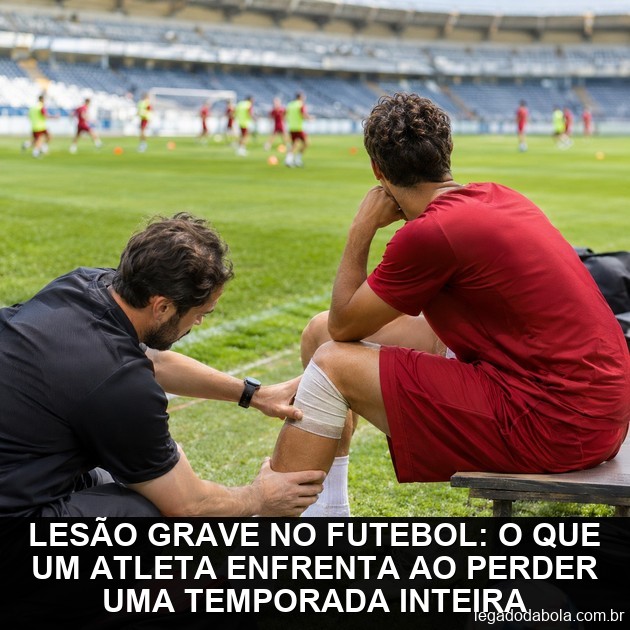
In the report, BBC Sport looks at the experience of those who have been through this and describes an everyday life with little glamour. The player stops travelling with the team, loses the dressing room and spends the days between physio and gym.
The text points out that the athlete can become hard to be around and fall into periods of isolation. The news that he will not go to the World Cup appears as one of the hardest moments.
One caution: this post relies on the published summary of the report. We do not attribute quotes or details to anyone beyond what the source presents.
Impact on the Club, the National Team and the Competition
For the club, a long injury changes planning, squad and market. A piece is lost, and the coaching staff must reorganise roles for months.
For the national team, the effect is even crueller. The World Cup window is short, and anyone injured close to the call-up can see an entire career pass without that chance.
For the player, the impact goes beyond the pitch. It changes routine, relationships with teammates and the way he sees his own future in the sport.
Reaction from the Football World
The debate about mental health has gained space in football in recent years. Clubs, players' unions and federations have started to talk more openly about pressure, anxiety and isolation.
Fans have also changed their tone. Before, demanding a quick return was the rule. Today there is growing understanding that long absences carry an invisible price.
Whoever misses a whole season loses the game, the group and the routine, all at once.
We will not invent quotes from experts or players. The central point is that the conversation has left the backstage and reached the mainstream press.