Context and Importance
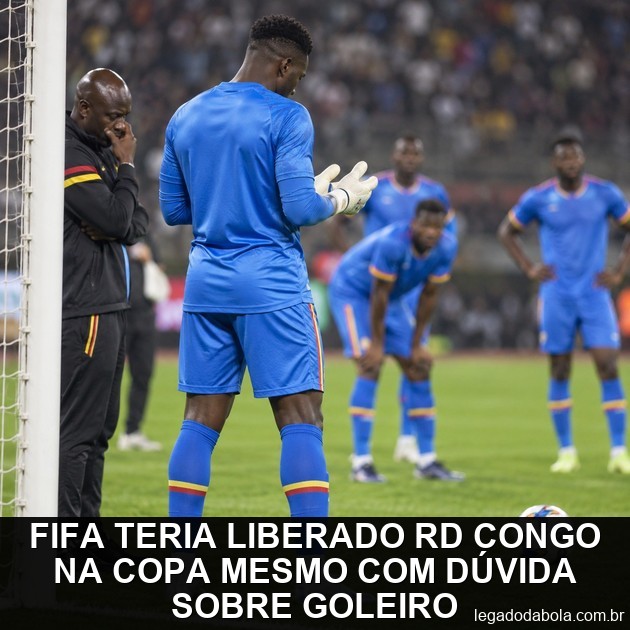
A report by The New York Times, echoed by Gazeta Esportiva, put FIFA at the center of a 2026 World Cup controversy. The paper says the body allegedly allowed the Democratic Republic of the Congo to take part despite questions about goalkeeper Lionel Mpasi.
It matters because eligibility is the foundation of any national team competition. Whether a player may represent a country can decide a World Cup place.
A caveat: this is a newspaper account, built on the word "allegedly". The exact details of the documents involved are not confirmed here, and this text does not invent them.
The case centers on the eligibility of Lionel Mpasi and on how FIFA allegedly handled Nigeria's complaint.
What Happened
According to the report, Nigeria had reported the case to FIFA, questioning whether Mpasi could represent the Congolese team. That complaint is the starting point.
The paper adds that FIFA allegedly let DR Congo continue on the road to the World Cup despite these doubts.
The terms of the decision and the documents reviewed are at the heart of the controversy. Só far, we only have the press version, not a detailed public ruling.
Impact on the Team and the Competition
For DR Congo, the impact is direct. A starting goalkeeper is central to any campaign, and questioning his status casts a shadow over a place earned on the pitch.
For Nigeria, the story touches the sense of sporting fairness. When a team complains and sees the case move on without punishment, fans ask whether rules apply to everyone.
For FIFA, the cost is credibility. It must show it applies its rules equally, regardless of a federation's size or political weight.
At a World Cup, the rules must apply equally to everyone.
Football World Reaction
The natural reaction came from sports media, which repeated the American paper's findings and demanded clarity. Nigerian and Congolese fans tend to stand on opposite sides.
Those who defend FIFA say eligibility reviews are technical and based on documents. Critics point to distrust over the transparency of such decisions.
This text attributes no quotes to anyone. What exists is the report, and official reactions should be followed in the coming days.
Relevant History
It is not the first time eligibility and fair play in national teams became a backstage issue. In 1989, Chile was punished after goalkeeper Rojas's episode at the Maracana and was kept out of later qualifiers.
Mexico was also once punished by FIFA for age irregularities in a youth tournament, which kept it out of a World Cup.
FIFA has punished teams for irregularities before, which is why old cases fuel today's debate.
These precedents show the body can act firmly. The question raised now is whether the same standard was applied here.
Numbers and Statistics
The 2026 World Cup is the first with 48 teams, hosted by three countries: the United States, Canada and Mexico. More places mean more qualifying matches and more chances for legal disputes.
In this expanded scenario, eligibility cases tend to grow. Each federation has more incentive to check its opponent's paperwork.
These figures help explain why eligibility checks became more complex in a bigger World Cup.
What Comes Next
The next chapter depends on how FIFA and the federations respond to the report. Official statements may confirm, soften or deny points of the story.
If new formal challenges appear, Nigeria may seek other bodies. The available information does not confirm that this will happen.
FIFA may also review document verification procedures for future editions, something football has long asked for.
This is an allegation published by the press. The full official word from the parties is missing.
Expert Opinion
My view is simple: transparency solves most controversies. When FIFA rules on a case this big, explaining why matters as much as the decision itself.
If the goalkeeper's paperwork was in order, the body only gains by showing it clearly. If there was a flaw, the debate changes tone.
Meanwhile, fans deserve respect. A World Cup place is won on the pitch, and the rules must be known before the ball rolls.
FIFA does not only need to decide well. It needs to show it decided well, with clear criteria equal for all teams.