
Context and Importance
The Under-20 Women's World Cup is one of the premier showcases for the future stars of world football. For the United States, the tournament carries special weight: the team is chasing its first title in the category since 2012.
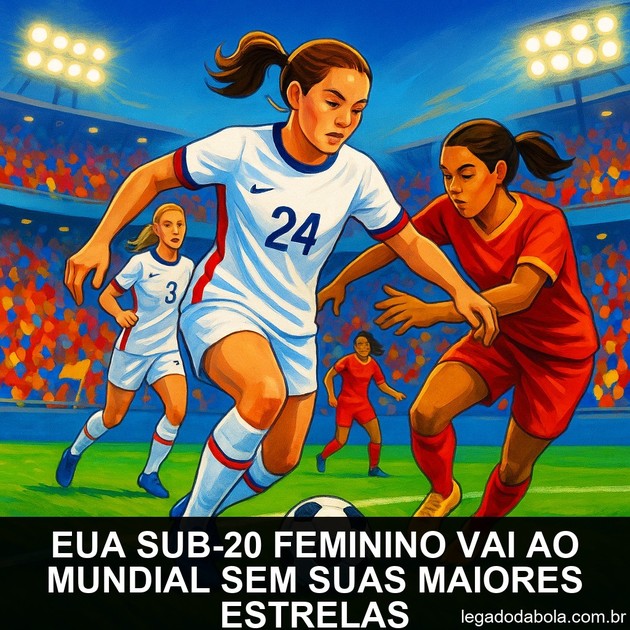
Next month's edition arrives with a detail that caught the attention of the specialized press: the US roster does not include several names considered the top age-eligible talents in American women's football.
That absence has reignited debate over how the American federation handles the development of young players and over scheduling priorities for athletes, many of whom already compete in top-level professional leagues.
The roster without several of the biggest names in American women's football was described as "upsetting" by analysts, drawing frustration from fans and experts alike.
What Happened
The United States U20 coaching staff released its roster for next month's World Cup. Several players considered top age-eligible prospects were left off the final list.
The decision to exclude standout names was not accompanied by a detailed explanation of the technical criteria used, fueling questions about the federation's selection process.
The case drew international attention precisely because it contrasts with the tradition of excellence in American women's football, historically recognized for producing the world's best players at the youth level.
Impact on the Team and Competition
For the American team, competing in a World Cup without part of its most talented squad lowers title expectations, even though the United States remain historic favorites in the category.
The impact also falls on the players left out. For young athletes, the U20 World Cup is often a decisive showcase for career jumps, including transfers to major clubs and even early call-ups to the senior national team.
For the competition itself, the absence of well-known stars may reduce some of the media appeal around the American team, even as the tournament remains significant for the development of women's football worldwide.
A World Cup without the biggest prospects is always a missed opportunity, both for the players and for fans who wanted to see them shine on the category's biggest stage.
Reaction from the Football World
The decision generated immediate reaction from fans and women's football commentators, who questioned the coaching staff's criteria for building the squad.
Analysts specialized in youth football pointed out that leaving out recognized talents raises doubts about alignment between clubs, college leagues, and the American federation itself in managing schedules.
There are also those who defend the decision as a bet on a more tactically cohesive group, even if it means giving up individually more talented names.
Relevant History
The United States has a well-established tradition in women's youth football, but the team's most recent U20 World Cup title dates back to 2012, more than a decade ago.
Since then, the country has posted below-expectation results in some editions of the category, despite continuing to produce players who later became key pieces of the senior national team.
The last American conquest in the U20 Women's World Cup happened in 2012, making the drought a central theme of expectations around the current squad.
That history adds pressure on the current generation, which is trying to break a long title drought precisely in an edition marked by the absence of big names.
Numbers and Statistics
The American team's title drought in the U20 women's category has passed a decade, a relevant fact for understanding the pressure surrounding the tournament.
The upcoming competition brings together the top women's youth national teams in the world, with a knockout format after the group stage, as is traditional in FIFA-organized World Cups in the category.
What Comes Next
The American team now enters its final preparation phase before the World Cup opener, with the coaching staff working to build chemistry within the chosen group.
It remains to be seen how the called-up players will handle the pressure of representing the United States in pursuit of the title that has eluded them since 2012, even without the full dream roster available.
For the players left out, the next step is to prove their worth in club competitions and await future call-up opportunities, including a look toward the senior national team.
Expert Analysis
The decision to leave talent off a World Cup roster is always risky, and the case of the American U20 women's team is no exception.
Youth teams live on the balance between individual talent and collective cohesion. When a federation with the United States' tradition gives up standout names, it's betting that system and chemistry outweigh an isolated star. It's a valid bet, but a risky one, especially in a decisive tournament like a World Cup.
If it works out, the decision will be remembered as long-term vision. If not, questions about the selection criteria will only grow, and the title drought since 2012 could extend for another cycle.