
Context and Importance
Cristiano Ronaldo has spoken again about the end of his career, and this time the conversation carried extra weight. After playing at the 2026 World Cup, the Portugal captain admitted he thought about stopping. The decision, however, was to carry on.
The reason has a number and a cause. The number is the 1,000 goals milestone, something no player has achieved with officially recognised records. The cause is the Portuguese national team, which is going through a renewal and still sees the number 7 as a reference on and off the pitch.
For fans, this matters because it defines the next chapter of one of the greatest athletes in history. At 41, Ronaldo keeps scoring for Al Nassr and remains the all-time top scorer in international football. Every extra game is a chance to extend records that already look untouchable.
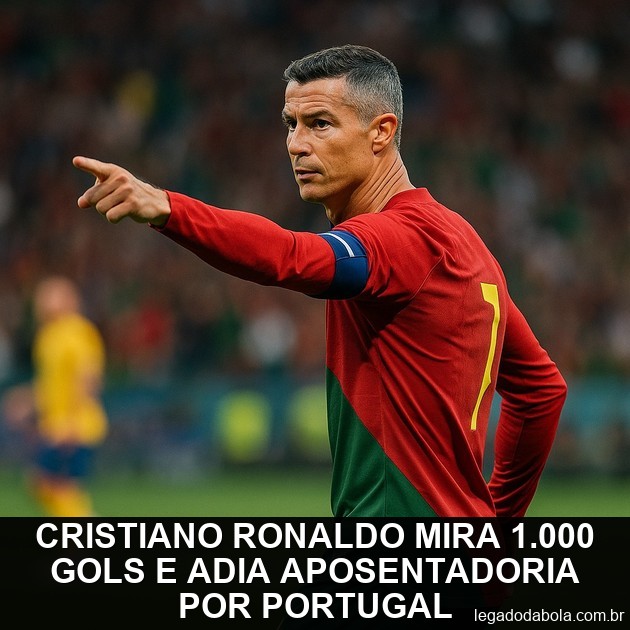
Ronaldo considered retirement after the 2026 World Cup, but decided to continue with two goals: 1,000 career goals and helping Portugal's new generation.
What Happened
According to a BBC Sport report, the forward contemplated ending his career after the World Cup held in the United States, Canada and Mexico. The idea was weighed carefully, but the will to compete prevailed.
Ronaldo set two objectives for what remains of his journey. The first is reaching 1,000 official goals, a mark he has cited publicly in recent years. The second is helping Portugal's new-look squad settle before his final farewell.
In practice, this means the captain will remain available for the national team in upcoming fixtures and will keep his rhythm of games in Saudi football, where he has played for Al Nassr since January 2023.
Impact on Club, National Team and Competition
For Portugal, keeping Ronaldo guarantees familiar leadership in an increasingly young dressing room. Names such as Rafael Leão, Vitinha, Nuno Mendes and João Neves represent the core expected to carry the team through the next cycles.
The number 7's role is likely to change. He no longer needs to play 90 minutes in every match, but he remains the squad's most reliable finisher and a respected voice under pressure. That gradual transition is what the coaching staff wants.
At Al Nassr, the decision strengthens the Saudi club's project, which bet on the Portuguese star as the face of the league. Every goal scored in Riyadh also counts towards the chase for 1,000, keeping global interest in a competition still seeking visibility.
Ronaldo does not want to leave the stage. He wants to leave scoring.
Reaction from the Football World
The Portuguese press received the news with a mix of relief and debate. On one side, the certainty that the country's greatest idol remains available. On the other, the recurring discussion about how long it is healthy for the national team to depend on a player over 40.
In England and Spain, where Ronaldo wrote much of his history with Manchester United and Real Madrid, the 1,000-goal topic returned to the headlines. The question is always the same: how many more games does he need to get there?
Among fans, the tone is admiration for his longevity. Few athletes have kept an elite competitive level for more than two decades. His decision to stay is seen less as stubbornness and more as obsession with a concrete target.
Part of the Portuguese press questions whether the national team should keep building its attack around a player over 40 instead of accelerating the renewal.