Context and Importance
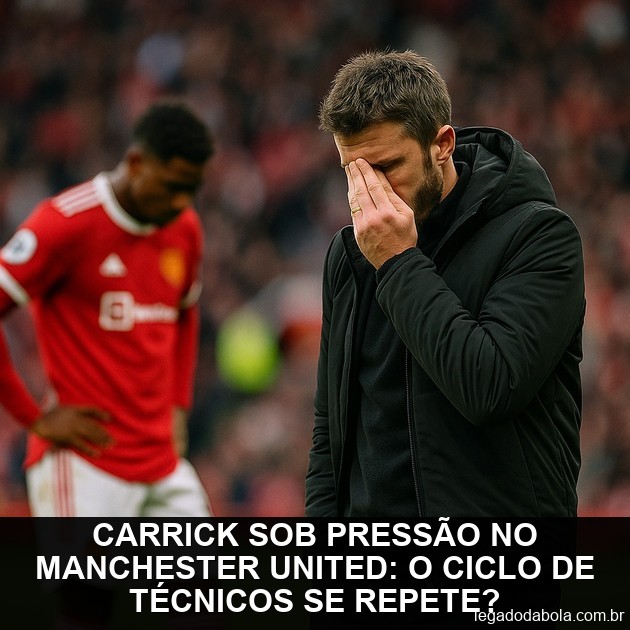
Manchester United is living another chapter of a familiar story. A new poor run of results put Michael Carrick back at the center of the debate.
ESPN asked the question directly: is Carrick just another manager who brought hope and now feels the heat? And above all, does he deserve that pressure?
It matters because United is one of the biggest clubs on the planet. Every managerial change affects fans, players, sponsors and the transfer market.
The debate is not only about Carrick. It is about the cycle of hope and frustration United has repeated since Alex Ferguson left.
What Happened
According to ESPN, United strung together another series of poor results. That was enough for the press to question the manager's future again.
Carrick arrived with the image of a club hero. He was a United midfielder for many years and is deeply respected at Old Trafford.
That emotional bond brought optimism at first. But top-level football demands quick results, and a former player's credit runs out fast when the ball does not go in.
Impact on the Club
A results crisis affects everything. The dressing room feels it, the board evaluates it, and fans pressure the team on social media and in the stadium.
If the club decides to change again, sporting planning restarts from zero. That usually costs a lot, both in severance and in lost time.
If it keeps Carrick, it needs to show a clear project. Without that, trust becomes just talk and the pressure returns after every slip.
At United, hope fades fast once the results turn.
Reaction from the Football World
The English press has treated the subject with caution, but in a familiar tone. Every draw or defeat reopens the conversation about a managerial change.
Some fans ask for patience, remembering that the club has erred by sacking too early before. Others demand an immediate reaction on the pitch.
This split is typical of big clubs in bad spells. It also helps explain why the debate gained só much strength só quickly.
Relevant History
Since Alex Ferguson retired in 2013, United has gone through several managers. Among them are David Moyes, Louis van Gaal, José Mourinho, Ole Gunnar Solskjaer, Erik ten Hag and Rúben Amorim.
Moyes, for example, was sacked in April 2014, less than a year after taking charge. Solskjaer also arrived as a beloved figure and as an interim, was made permanent and later left.
The pattern stands out: a fan favorite arrives, hope grows, and patience runs out before the project matures.
Solskjaer, another former player loved at Old Trafford, also took over as an emotional solution and later faced the same pressure.
Numbers and Stats
Carrick's numbers as a player help explain the weight of his name at the club. He played for United between 2006 and 2018.
In that period, he won five Premier League titles and the 2008 Champions League. It is a résumé that explains the respect he has in the dressing room and the stands.
As a manager, he worked at Middlesbrough before returning to United. But the current job is on another scale and demands immediate results.
What Comes Next
The next games will be decisive for the mood at the club. A quick reaction can ease the pressure, while new slips tend to speed up the criticism.
The board will have to decide whether to keep the project or change course. The decision must consider the available squad and the calendar.
For Carrick, the path is clear: turn good words into wins. And show a recognizable idea of play on the pitch.
Sacking a manager mid-season solves the short term, but United's history shows it has rarely solved the underlying problem.
Expert Opinion
ESPN's question is fair: should he feel the heat? From a results standpoint, the pressure exists and comes with the job.
But from a project standpoint, changing manager after every bad spell is a habit the club needs to break. United's problem seems bigger than one name.
Carrick deserves to be held to account for results, but he also deserves time and a squad built with criteria. Without that, United will only swap the face of the same crisis.
If the club wants out of the cycle, it needs a stable structure above the manager. Only then does hope stop being a passing state at Old Trafford.